Yard Edges Treated Where Ticks Wait for Hosts
Tick Control in Daniels for properties where wooded edges and tall grass bring ticks close to the house
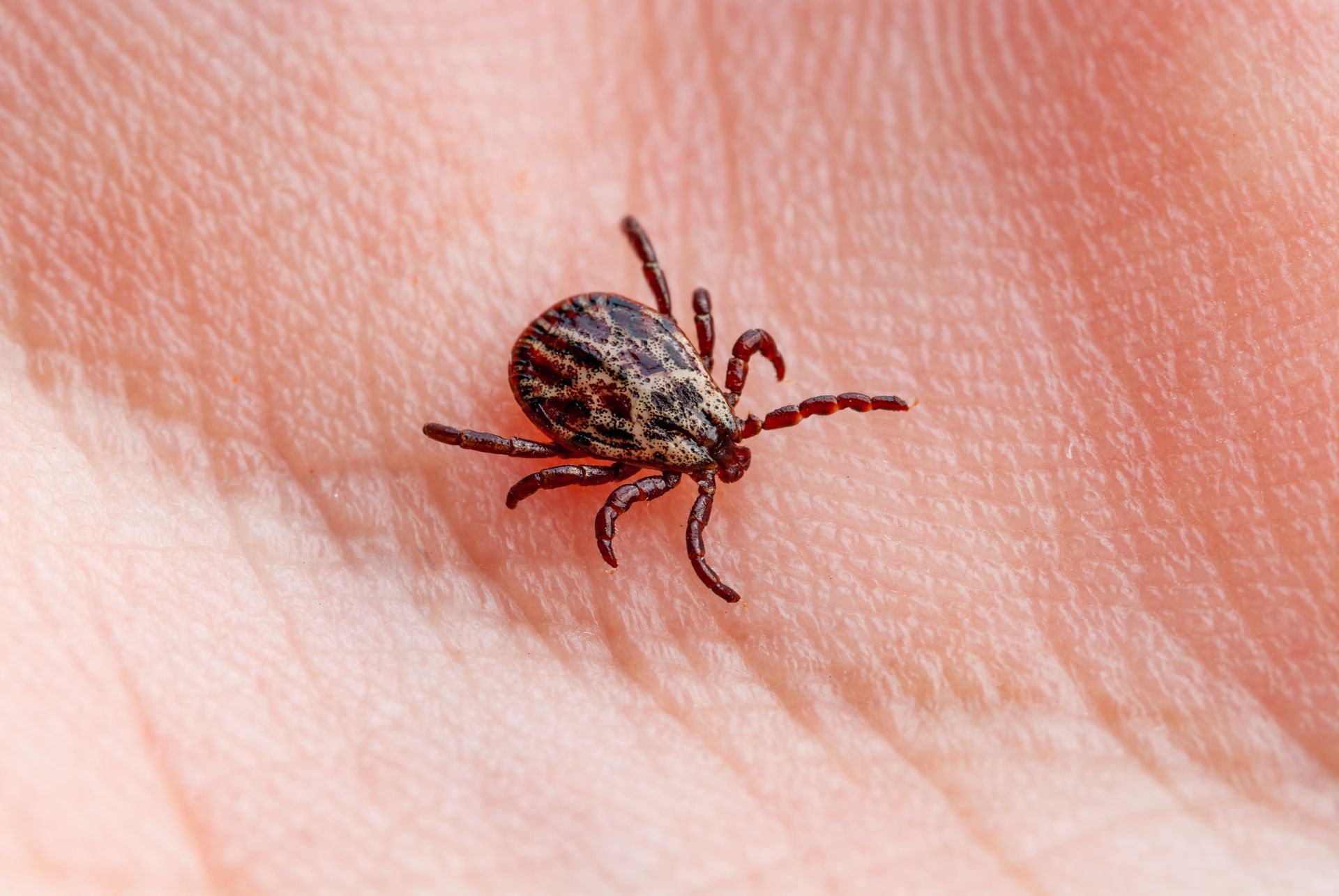
Rural properties with wooded edges and long grass in the surrounding counties give ticks a steady supply of hosts and shaded cover close to the house, which means they concentrate in the transition zones between lawn and woods rather than in open grass. The owner at Chapmans Pest Control LLC treats the yard areas where ticks are most likely to be—the edges of lawns, shaded spots and brush lines—to reduce them around the home. You notice fewer ticks crawling on legs and ankles after being outside, fewer ticks on pets returning from the yard, and reduced risk of tick-borne illness in areas where children and animals spend time.
Treatment focuses on the outdoor zones where the property meets woods, tall grass and shaded beds, since ticks wait in those places rather than in the open lawn. You are asked to keep grass trimmed and remove leaf litter and brush piles near the house, which makes the treatment last longer and reduces the habitat ticks need. Results are checked at the scheduled service and between visits if ticks are still a problem.
Schedule a property evaluation to identify the zones where ticks are most concentrated on your land.
Why Tick Control Targets Transition Zones, Not Open Lawns
Ticks do not survive well in open, sunny lawns because they require high humidity and shade to prevent desiccation. They concentrate at the edges of mowed grass where it meets woods, tall grass, leaf litter and shaded vegetation, and they wait on low plants for a host to brush past. Properties in Princeton and Sophia with wooded borders and unmowed zones close to the house see the highest tick populations, and treating those edge zones directly reduces the ticks that people and pets encounter. The owner walks the property to identify those transition areas and applies treatment where ticks are waiting.
After treatment, you notice fewer ticks crawling on legs and ankles after walking near wooded edges, fewer ticks attached to pets returning from the yard, and fewer tick sightings on outdoor furniture or play equipment. The treatment continues working in shaded areas where ticks gather, and maintaining a mowed buffer between the house and woods keeps ticks farther from living spaces.
The service includes inspection of the property to locate tick habitat, treatment of edge zones and shaded areas, and guidance on habitat reduction such as trimming grass and clearing leaf litter. It does not include treatment of detached outbuildings, wooded trails beyond the immediate yard, or areas not accessible by foot. Seventeen years of local pest control experience informs the application, and free callbacks are provided between scheduled treatments if ticks persist.
Common Questions About Yard Tick Treatment
Properties in Daniels with wooded edges and rural acreage require targeted treatment in the zones where ticks gather, and these questions address the work and preparation involved.
What areas does the owner treat during tick control service?
The owner treats the edges of mowed lawn where it meets woods, tall grass, shaded beds and brush lines, applying treatment to vegetation and leaf litter where ticks wait for hosts. Open, sunny lawn areas are not treated because ticks do not survive there.
How does keeping grass trimmed make tick treatment more effective?
Short grass reduces humidity and shade at ground level, which makes the environment less hospitable for ticks and forces them to stay farther from the house. It also allows treatment to reach the soil and low vegetation where ticks rest.
What should you do before the technician arrives?
Mow the lawn, especially near wooded edges, and clear brush piles, leaf litter and tall grass from areas near the house. Mark any zones where children or pets play frequently so the owner can prioritize those areas during application.
Why do properties with wooded edges in Princeton see more ticks than suburban lots?
Wooded edges provide the high humidity, shade and wildlife hosts that ticks need to complete their lifecycle, and rural properties with deer, raccoons and rodents nearby maintain steady tick populations. Suburban lots with minimal vegetation and regular mowing reduce tick habitat significantly.
What changes after the first treatment?
You notice fewer ticks crawling on legs and ankles after spending time near wooded edges, fewer ticks on pets after they return from the yard, and reduced tick sightings on outdoor furniture or play equipment. The treatment remains active in shaded zones and continues reducing the population between scheduled applications.
Chapmans Pest Control LLC brings seventeen years in local pest control to each property and provides free callbacks between scheduled treatments if ticks remain a problem. The company also performs tick control in Mount Hope, Beckley, Oak Hill, Fayetteville and Princeton.