
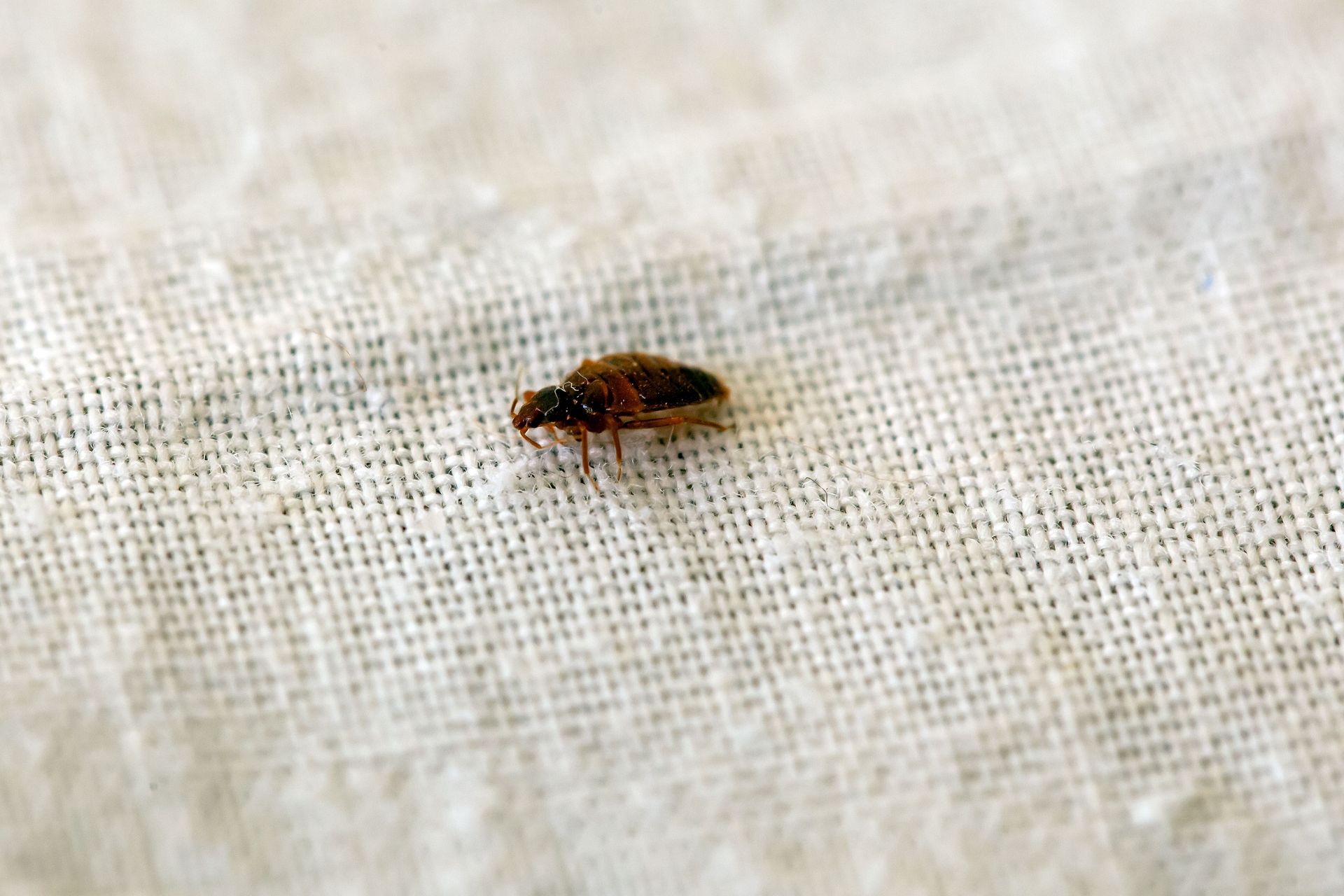
Rooms Cleared of Hidden Harborage Points
Bed Bug Treatment in Daniels for infestations in baseboards, furniture joints and mattress seams
Bed bugs hide in tight cracks rather than in open spots, which means effective treatment requires identifying every harborage area in the rooms where they are living, not just the bed itself. The owner-operator at Chapmans Pest Control LLC inspects the property himself, identifies where bed bugs are congregating, and treats those areas directly. You notice fewer bites, no live bugs crawling on bedding or furniture, and no new dark spotting on mattress seams or baseboards after treatment reaches all active harborage points.
The job starts with a close inspection of the bed frame, mattress seams, headboard, baseboards, outlets and furniture joints, since bed bugs hide in those tight spaces during daylight hours. Treatment is applied to every area where live bugs or signs are found, and you are told what to do beforehand, such as bagging bedding and clearing clutter so the product can reach the cracks where bed bugs shelter. A follow-up visit checks whether activity has stopped and addresses any remaining harborage points.
Arrange an inspection to identify all harborage areas in the affected rooms.
Why Bed Bug Treatment Targets More Than the Mattress
Bed bugs gather in cracks within six to eight feet of where people sleep, which includes bed frames, headboards, nightstands, baseboards, outlets and upholstered furniture. Older homes in Beckley and Mount Hope with wood trim, plaster walls and furniture joints provide dozens of harborage points per room, and treating only the mattress leaves the majority of the population untouched. The owner walks every affected room, lifts furniture edges, and inspects seams and crevices to locate all active areas before applying treatment.
After treatment, you stop seeing live bugs crawling on bedding or furniture, bites stop appearing on exposed skin, and no new dark spotting or shed skins accumulate on mattress seams or along baseboards. The follow-up visit confirms that activity has ended and addresses any secondary harborage points that were not active during the initial inspection.
The service includes inspection and treatment of all rooms where bed bugs are found, follow-up visits to verify elimination, and instruction on preparation steps such as bagging bedding and clearing clutter. It does not include disposal of infested furniture or replacement of mattresses, which remain treatable in most cases. Chapmans Pest Control LLC provides free callbacks between scheduled visits if bed bugs return.
Answers About Bed Bug Treatment Process
Bed bug infestations in Daniels, Beckley and Mount Hope require thorough inspection and targeted application to succeed, and these questions address what the work involves.
What does the owner inspect during the initial visit?
The owner inspects the bed frame, mattress seams, headboard, baseboards, outlets and furniture joints in every affected room, since bed bugs hide in tight cracks rather than open areas. He looks for live bugs, shed skins, dark spotting and eggs to determine where the population is concentrated.
How should you prepare your home before treatment?
Bag all bedding, pillows and clothing in sealed plastic bags, clear items from under the bed and around furniture, and vacuum floors and baseboards to remove clutter. This allows the product to reach cracks and crevices where bed bugs hide and makes the inspection more thorough.
Why does bed bug treatment require a follow-up visit?
Bed bug eggs hatch over a two-week period, and the follow-up visit addresses any nymphs that emerged after the initial treatment. The owner checks all previously treated areas to confirm that activity has stopped and applies additional treatment if needed.
What signs indicate that bed bugs are still present after treatment?
Live bugs crawling on bedding or furniture, new bites appearing on skin, and fresh dark spotting on mattress seams or along baseboards indicate that harborage points were missed or that eggs have hatched. The owner returns at no charge to inspect and retreat those areas.
Why do older homes in Beckley see more harborage points than newer construction?
Homes built with wood trim, plaster walls and baseboards with gaps provide dozens of cracks and crevices per room where bed bugs can hide during daylight. Newer construction with tight drywall seams and minimal trim reduces the number of potential harborage points.
The owner-operator brings seventeen years of field pest control experience to each inspection and handles treatment personally. Chapmans Pest Control LLC also performs bed bug treatment in Beckley, Mount Hope, Oak Hill, Fayetteville and Princeton, with free callbacks provided if activity returns between scheduled services.