
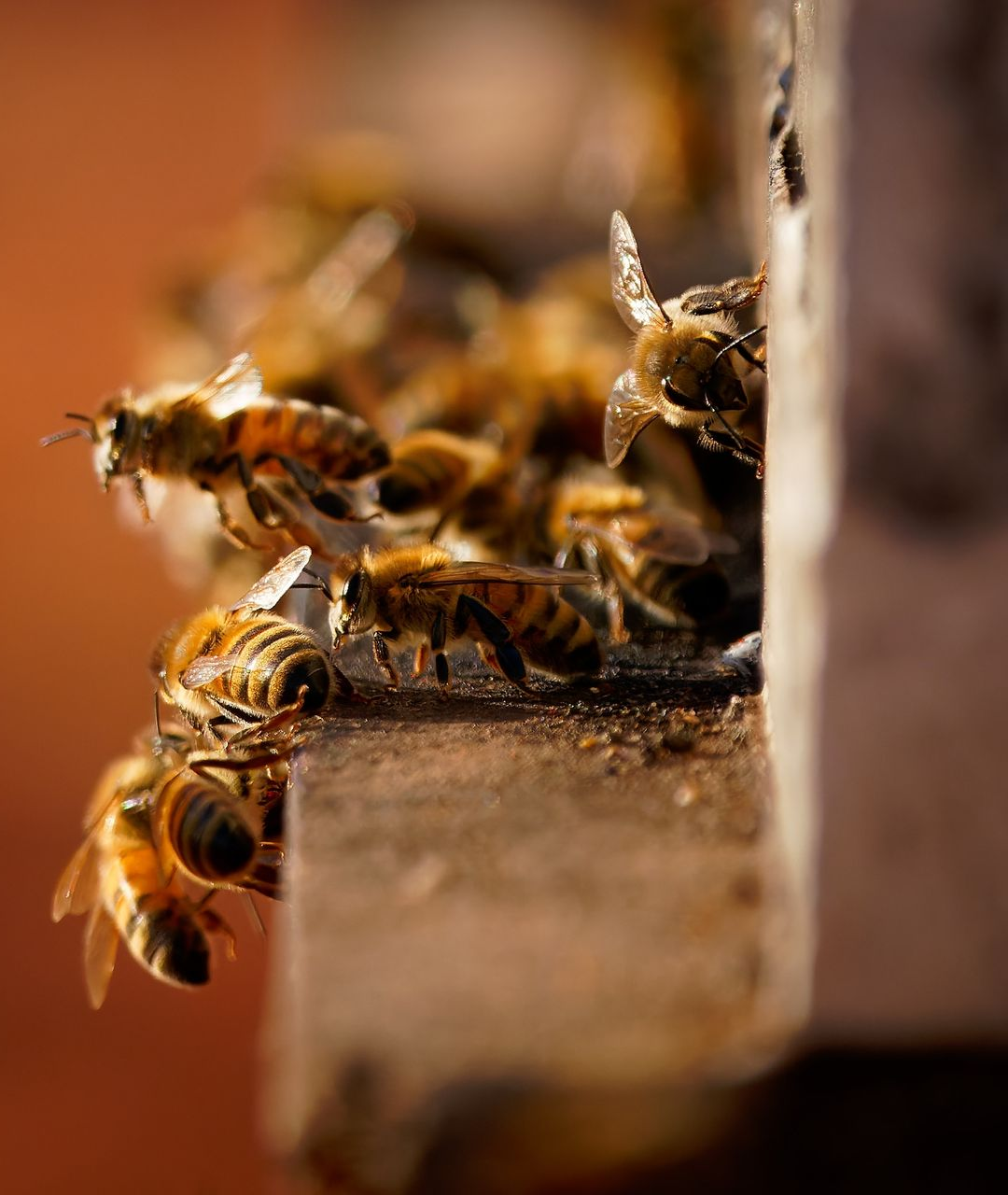
Colonies Located and Entry Points Sealed
Bee removal in Daniels for homes with gaps in siding, attic spaces, and eaves where honeybees build colonies
Honeybees and other stinging bee species often establish colonies inside the walls, attics, or eaves of older homes in Daniels, entering through gaps in siding, soffit joints, or utility penetrations that were never sealed during original construction. Chapmans Pest Control LLC removes bee colonies by locating the entry point, treating the colony itself, and sealing the opening so that new swarms do not move into the same void. Properties with wood siding, accessible attic spaces, and rural settings near flowering plants see the highest colony activity, and the owner handles each removal himself across Daniels, Sophia, and Princeton.
The owner inspects the property to find where bees are entering and how far the colony extends into the structure, since shallow colonies near an exterior surface require different treatment than deep colonies running several feet into a wall cavity. Treatment is applied directly to the colony, not to individual bees in flight, and the entry is sealed afterward to prevent reoccupation by scout bees searching for nesting sites. If anyone in the household has a known bee allergy, notify the owner before the visit so that precautions can be adjusted accordingly.
Request an inspection to locate the colony entry and determine the treatment method.
How the Colony Is Treated and What Gets Sealed
The colony is treated during the visit, and once activity has stopped, the entry point is sealed to block future access. You'll notice that bees stop entering and exiting the structure, and the buzzing inside the wall or attic will cease as the colony dies off. Seventeen years of experience in local pest control means the owner identifies colony depth quickly and applies treatment where it will reach the full population rather than just the bees near the opening.
Treatment focuses on eliminating the colony itself, and sealing the entry prevents new swarms from moving into the voided space during the next nesting season. Free callbacks cover any activity that returns, and you should stay clear of the entry area during treatment to avoid defensive stings from guard bees stationed near the opening.
The service includes inspection, colony treatment, and entry sealing, but it does not include removal of honeycomb or honey from inside the wall cavity, which can attract other pests after the bees are gone. If honeycomb removal is needed, that work is coordinated separately and typically involves opening the wall to access the void.
Answers About How the Work Is Done
These questions address how bee colonies are located, treated, and prevented from returning.
How do you find where a colony is built inside a wall?
The owner watches where bees enter and exit, then inspects the structure around that point to determine cavity depth, often using movement patterns and sound to confirm how far the colony extends from the opening.
What happens if the colony is deep inside an attic or wall void?
Treatment is applied through the entry point and formulated to penetrate into the cavity, reaching bees that are not visible from the exterior and ensuring that the entire colony is contacted.
Why is sealing the entry point part of the service?
Scout bees search for empty cavities during swarming season, and an unsealed entry will attract a new colony within weeks or months, so sealing prevents reoccupation of the same void.
What should you tell the technician before treatment begins?
Mention any known bee allergies in the household, point out any additional entry points you've noticed, and identify whether you've heard buzzing inside walls or ceilings that might indicate colony depth.
How can you tell the colony has been fully eliminated?
Bee traffic at the entry point stops completely, no buzzing is heard inside the structure, and no bees are seen hovering near the sealed opening in the days following treatment.
Chapmans Pest Control LLC also performs bee removal in Princeton, Beckley, Mount Hope, Oak Hill, and Fayetteville. The owner completes the inspection and treatment himself, with seventeen years of field experience and free callbacks if activity returns. Arrange a property visit to locate the colony entry and confirm the removal approach.