Entry Points Sealed and Activity Monitored
Rodent control in Daniels for homes with crawlspaces, foundation gaps, and utility penetrations where mice and rats enter
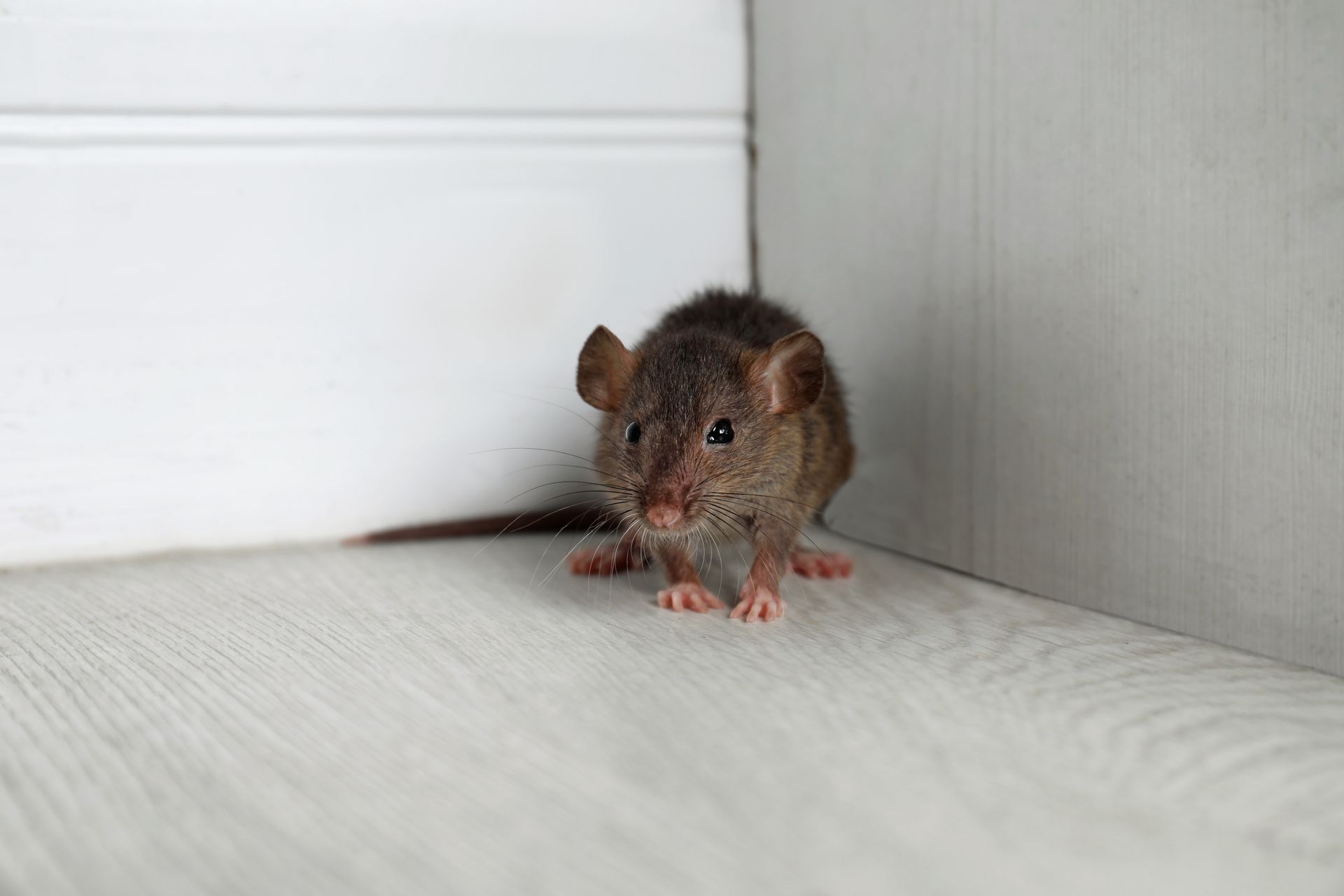
The owner begins by inspecting both the interior and exterior of the structure to find droppings, runways, gnaw marks, and the gaps that rodents use to enter—foundation cracks, gaps around utility lines, and open crawlspace vents are the most common routes in older homes and mobile structures common in Daniels and Beckley. Chapmans Pest Control LLC addresses rodent activity by sealing entry points, placing bait stations or traps where activity is concentrated, and rechecking the site on a set schedule to confirm elimination. Properties on wooded edges and homes with older foundations or skirting systems see the highest rodent pressure, and the owner handles each inspection and treatment personally rather than delegating to a technician.
Once entry points are identified, they are sealed to stop new rodents from entering, and baiting or trapping is placed along active runways and near nesting areas. The service targets mice and rats as structural pests; squirrels, raccoons, and other wildlife are not included in rodent control and require separate handling. Free callbacks between scheduled services cover any activity that returns, and seventeen years of field experience means the owner recognizes rodent behavior patterns quickly and places control measures where they will be most effective.
Arrange an inspection to locate entry points and assess current rodent activity levels.
What Proper Rodent Control Requires
Effective control requires both exclusion and elimination: sealing gaps stops new rodents from entering, while baiting and trapping address the population already inside. Droppings will stop appearing in cabinets, along baseboards, and in storage areas once the active population is eliminated, and you'll no longer hear scratching or movement inside walls or ceilings at night when rodents are most active.
The owner seals entry points using materials that rodents cannot chew through, such as metal mesh or expandable foam reinforced with wire, and bait stations are placed where children and pets cannot access them but rodents will. The site is rechecked on a schedule to monitor for new activity, and free callbacks cover any signs of rodent presence between scheduled visits.
Rodent control includes inspection, exclusion, baiting or trapping, and follow-up monitoring, but it does not include cleanup of insulation contaminated by urine or droppings, or repair of wiring or ductwork damaged by gnawing. Those repairs are addressed separately after the rodent population is eliminated and entry points are sealed.
Common Questions About This Service
These questions explain how rodent control is performed and what happens during and after treatment.
How do you find all the entry points rodents are using?
The owner inspects the foundation perimeter, utility penetrations, crawlspace vents, and gaps under skirting or siding, looking for gnaw marks, rub marks, and droppings that indicate active travel routes into the structure.
What's the difference between baiting and trapping for rodents?
Baiting uses rodenticide placed in tamper-resistant stations along runways, while trapping uses snap traps or live traps positioned where rodents are active; the method depends on the location, the severity of the infestation, and whether children or pets are present.
Why do rodents keep coming back even after treatment?
If entry points are not sealed, new rodents will move into the structure after the original population is eliminated, which is why exclusion and elimination must happen together for long-term control.
What should you do if you see droppings again after the first treatment?
Contact the owner for a callback inspection, which is included at no cost between scheduled services, to determine whether new rodents have entered or whether the original population was not fully eliminated.
How long does it take to eliminate an active rodent population?
Most infestations are controlled within two to three weeks of the initial treatment, but properties with multiple entry points or heavy pressure from nearby wooded areas may require additional visits and ongoing monitoring.
Chapmans Pest Control LLC also performs rodent control in Beckley, Mount Hope, Oak Hill, Fayetteville, and Princeton. The owner completes each inspection and treatment personally, with seventeen years of pest control experience and free callbacks if activity returns. Schedule a property inspection to locate entry points and develop a control plan based on current rodent activity.